5 Reasons Why Nothing Seems To Work For Bunions Long Term (And What Actually Does)

Summary: If you've tried everything and nothing has actually held, it's not your fault. The problem is that each thing you've tried only addresses one piece of what's going wrong. A toe that's spent years pushed toward the next one needs 3 specific things happening at once to stay apart. Here's what they are, why none of them work alone, and the approach physios recommend that does all 3 at the same time.

1. Wider Shoes Make Room, But Won't Splay Your Toes Apart
A wide toe box shoe, or a proper barefoot brand, is the best change you can make. It takes the pressure off the bump, stops the squeeze that caused it, and your feet stop being sore by the end of the day.
However, a wider shoe doesn't splay anything. It stops pushing your toes in; it doesn't push them out. Toes that have spent years pressed together don't spring apart the moment there's room. They stay where they've been held.
You'd need splay, meaning something physically between your toes spreading them apart. A shoe can't do that.
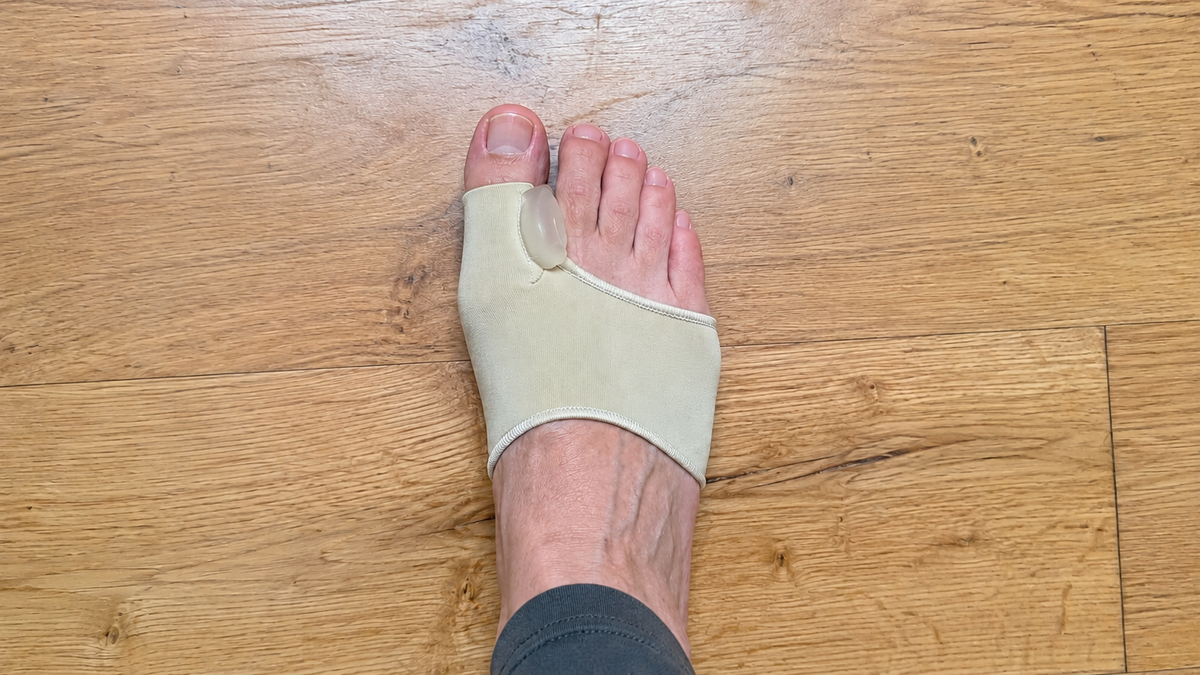
2. Bunion Sleeves Align The Big Toe. They Do Nothing For The Other Four.
A bunion sleeve pulls the big toe back over, holds it there while you walk, and does it inside your own shoe. For that one toe, it can work.
However, the muscles that hold your toes apart don't sit in your toes. They run between the long bones of your forefoot — the interossei, filling the four spaces between them. The same four gaps your toes are supposed to hold open. They work as one set, not as five separate toes.
A sleeve works from the outside. Pulling one toe over opens one of those spaces, and the other four toes stay exactly where they were. You'd need something sitting in all four gaps at once. A strap around the outside of your foot can't be that.
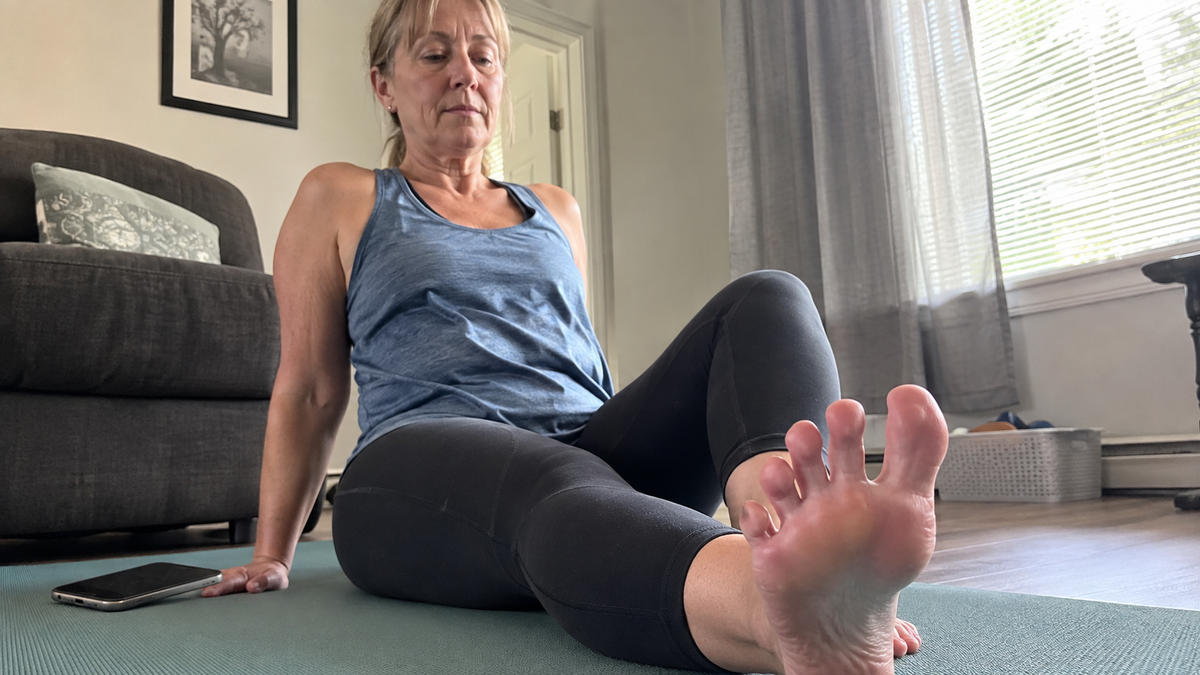
3. Toe Exercises Build The Muscles, But They Don't Change Where The Toe Sits
If you've done toe yoga off YouTube, or stuck with the exercises a physio gave you, you might have seen a pattern. It feels like it's working, and it has felt that way for months.
You spread the toes, hold, release, repeat. Your foot feels looser afterwards. Then the shoes go on, and it feels exactly like it did yesterday. Nothing has moved.
This happens because the toe isn't weak. It's off-axis. Every step, your big toe should bend up and wind the arch tight beneath it — the windlass — and off-axis it never winds properly. Exercises build the muscles that move your toe. They don't change the angle they work from.
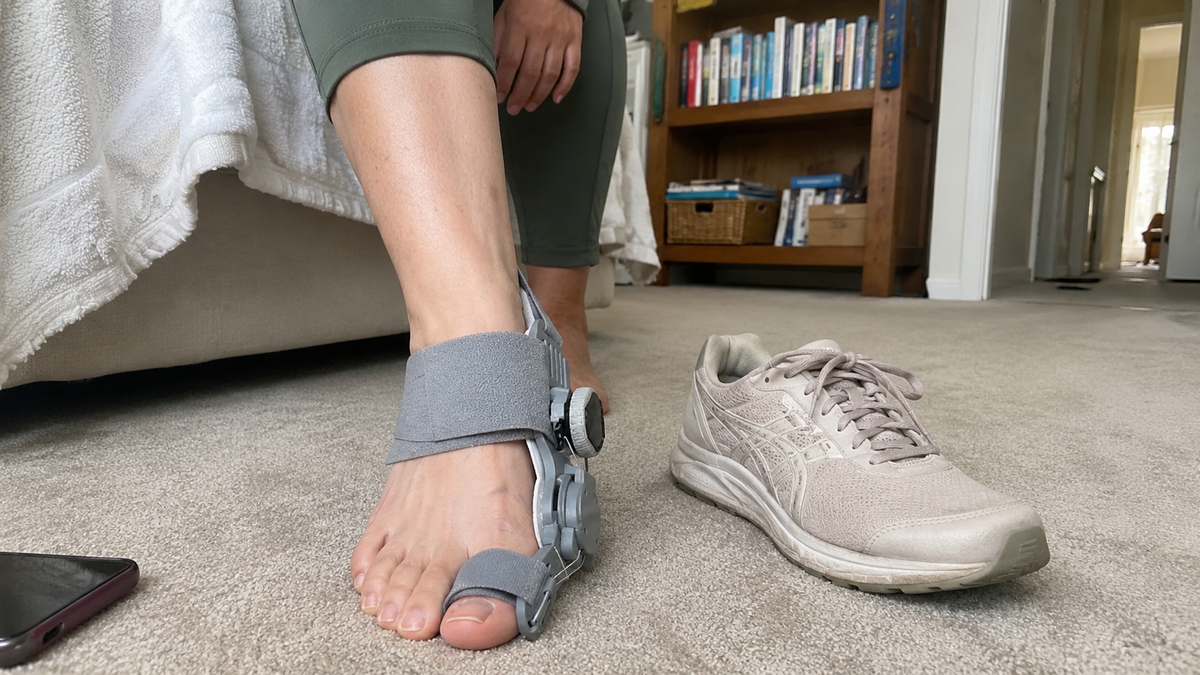
4. Bunion Splints Provide Relief, But Only For The 30 Minutes They're On
Bunion splints are the closest thing to a medical device on the shelf — and for the half hour they're on, they can bring real relief. The strap pulls the big toe away from the second, and the frame holds it there at an angle it hasn't held on its own in years.
The problem is what happens the moment it comes off. Nothing else about your day has changed. So within minutes the toe is back where it started. That's why every one of them tells you to do it daily, indefinitely, and why missing a week puts you exactly where you began.
Half an hour of holding, against 23 hours of everything else. You'd need hours, meaning something you can leave in while you walk, work and stand. A splint has to come off before you can do any of it.
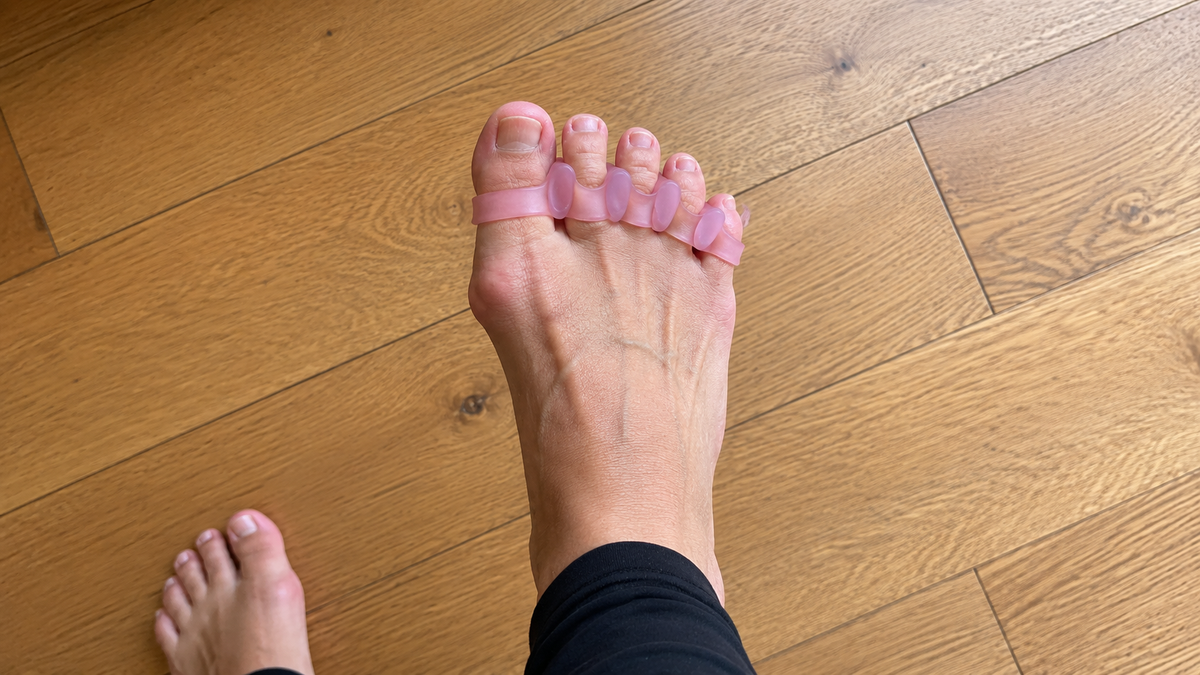
5. Toe Spacers Are The Right Idea. Soft And One Size Are Not.
A toe spacer is the only thing on this list that puts something in the gaps. Not around the foot, not under it, not something you have to remember to do — an object, sitting where the space is meant to be, holding it while you think about something else.
The soft ones are what most people buy first, and they're comfortable because they give. That's also why they stop working. Soft silicone gives way exactly when your toe pushes hardest, so within minutes the gap has closed back up around it.
And one size is built for the average foot. Yours has its own size. Too small and it's the rubber-band feeling, cutting off the circulation. Too big and it shifts around all day, making it unbearable.
Firm enough to hold under your weight, and sized to the foot it's going in. Both at once, or neither counts.
What Actually Works (And Why Science Agrees)
One trial measured an actual change. Not just how it felt — the angle of the toe, over twelve months. What it used was fitted to each patient's own foot and worn every single day. It was never a thirty-minute session. It was never an insert, a strap or a stretch. Here's what it takes:
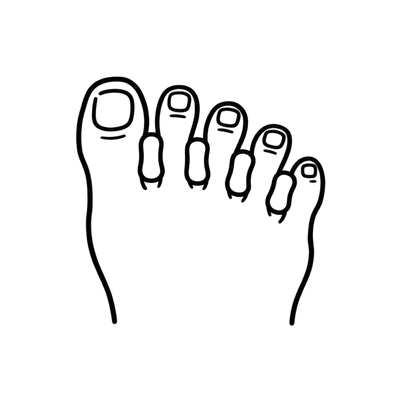
Separation across all four gaps holds all five toes in the alignment they're built to sit in. That's the position the interossei work from — and nothing worn outside the foot can put them there.

A size matched to the foot it goes into is what makes that separation survivable. It's the detail the trial turned on, and the one almost nothing on the market gets right. You need the spacing and the fit together: too small and you take it out, too big and it never stays where you put it.
Hours of that separation, every day, which only happens once the size is right — nothing you can't tolerate stays in. That's what the trial ran: the same separator, worn daily for twelve months. Nobody finishes twelve months of something they're counting down.
All three at once, through the hours you're on your feet — that's what makes it hold. All five toes sit in line, not just the one with the name on it. It stays where you put it, because it was made for the foot it's in. And the hours add up, because nothing makes you take it out.
The Problem
The catch is that you've already paid for all three. Wider shoes for the room. A sleeve for the alignment. A splint for the holding. Spacers for the gaps. Add it up — and you got a fraction of each.

The Same 3 Things, In Your Own Shoes, All Day
Nothing on the market does all three at once. Some manage one, the best of them manage two. That's the only reason this exists.
It's called Alyyne.
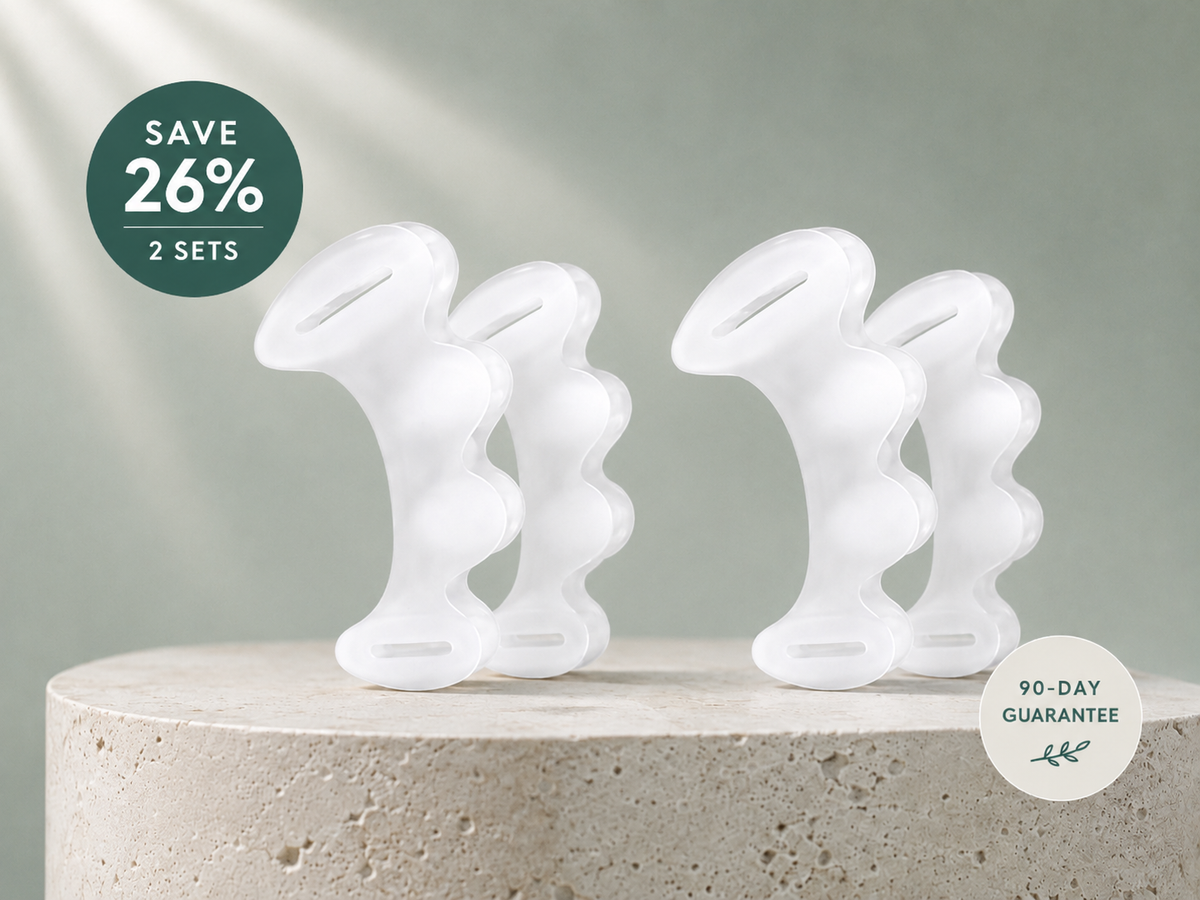
Separation across all four gaps — four separators in one piece, holding all five toes in the alignment they were built for. The whole forefoot, sitting the way it did before shoes got involved.
Sized S, M or L — matched to the measurements of your own forefoot, not one size made to fit everybody.
Hours of separation, every day — slim enough to go inside your own shoes, which is something no splint or brace can do.

All three at once, in firm medical grade silicone — so it's still holding at the end of a shift, instead of flattening out the way gel does within a few steps.
All day. In your own shoes. Nothing to do but put them in.
What To Expect
Within the first day, the rubbing stops. The pressure on the bump eases, and for the first time in a while your toes aren't fighting each other for room.
By week three, the small irritations that had become normal start to fade. Less ache after standing. Less urgency to get your shoes off in the car. The most common thing people describe is a shift ending and realising they hadn't thought about their feet once.
By two months, the toes sit differently. Not straight, not cured — held where they're meant to be for eleven hours a day instead of one, and that shows.
Because when the toes are actually held apart — for the hours, at the right size — that's when it holds.
Customer photo collage, single square
Feel the Relief From Day 1, Risk-Free!
Less rubbing, less ache after standing, and shifts that end without you thinking about your feet once.
And the best part?
Every order is backed by a 90-day risk-free trial, so you can try it for yourself with zero pressure.
This limited-time deal is in high demand and stock keeps selling out.
CHECK AVAILABILITYTry it today with a 90-Day Money Back Guarantee!
MEDICAL & HEALTH DISCLAIMER: The information and other content provided on this page, or in any linked materials, are not intended and should not be construed as medical advice, nor is the information a substitute for professional medical expertise or treatment. If you or any other person has a medical concern, you should consult with your health care provider or seek other professional medical treatment. Never disregard professional medical advice or delay in seeking it because of something you have read on this page or in any linked materials. If you think you may have a medical emergency, call your doctor or emergency services immediately.
Comments